
What to Pack for Gorilla Trekking in Rwanda
A calm, practical packing guide for your trek in Volcanoes National Park — from hiking boots and gaiters to rain gear, gloves, daypack essentials and what not to bring.
Gorilla trekking in Rwanda is not a normal forest walk. You may start early, walk through wet or uneven terrain, cross muddy sections, climb gradually through bamboo forest and spend one unforgettable hour near a mountain gorilla family.
The right packing makes the day feel calmer.
At Five Volcanoes Boutique Hotel, just a short drive from Volcanoes National Park headquarters in Kinigi, we help guests prepare around the real rhythm of trekking day: early breakfast, transfer timing, permit coordination, weather changes, porter support and recovery after the forest.
Quick Answer: What Should I Pack for Gorilla Trekking in Rwanda?
For gorilla trekking in Rwanda, pack sturdy hiking boots, long trousers, a long‒sleeved shirt, a lightweight rain jacket, gaiters, gloves, warm layers, insect repellent, sunscreen, water, snacks, a small daypack and a camera without flash. The most important items are good shoes, long protective clothing, rain protection and a manageable daypack. The forest around Volcanoes National Park can be wet, muddy and cool in the morning, even when the day becomes warm later. A porter is strongly recommended. A porter can carry your daypack, help with balance on muddy or steep sections and make the trek feel calmer, especially for first‒time gorilla trekkers.
Gorilla Trekking Packing List for Rwanda
Use this gorilla trekking packing list as your practical guide before travelling to Volcanoes National Park in Rwanda. You do not need expedition-level equipment, but you do need clothing and gear that protects you from mud, rain, nettles, insects and changing mountain weather.
Here is what we recommend packing for your Rwanda gorilla trekking day.
1. Sturdy Hiking Boots or Walking Shoes
Good footwear is the most important item on your gorilla trekking packing list.
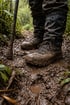
Choose sturdy hiking boots or strong walking shoes with good grip. The trail in Volcanoes National Park can be muddy, uneven, slippery or steep, especially after rain. Ankle support is helpful, but comfort matters most. Do not wear brand-new boots for the first time on trekking day.
Best choice:
Water-resistant hiking boots with good tread.
Avoid:
Thin sneakers, fashion trainers, sandals or shoes with a flat sole.
At Five Volcanoes, guests can return after the trek to shoe-cleaning support and quiet recovery time at the lodge.
2. Long Hiking Trousers
Wear long hiking trousers or lightweight trekking pants. Long trousers protect your legs from nettles, branches, insects, mud and light scratches.
A useful trick is to tuck your trousers into long socks or gaiters. This helps keep ants, insects and mud away from your ankles.
Avoid shorts for gorilla trekking. Even if the weather feels warm, the forest trail is not the right place for exposed legs.
3. Long‒Sleeved Shirt
A long-sleeved shirt is better than a T-shirt for gorilla trekking in Rwanda. It gives your arms extra protection from vegetation, sun, insects and cooler morning air.
Choose breathable, moisture-wicking fabric if possible. Neutral colours such as green, brown, beige, grey or dark earth tones work well in the forest.
Avoid bright neon colours, heavy cotton and camouflage-style clothing.
4. Lightweight Rain Jacket or Poncho
A long-sleeved shirt is better than a T-shirt for gorilla trekking in Rwanda. It gives your arms extra protection from vegetation, sun, insects and cooler morning air.
Choose breathable, moisture-wicking fabric if possible. Neutral colours such as green, brown, beige, grey or dark earth tones work well in the forest.
Avoid bright neon colours, heavy cotton and camouflage-style clothing.
5. Gaiters
Gaiters are highly useful for gorilla trekking in Rwanda. They help protect your lower legs and boots from mud, insects, water, leaves and small debris.
Many guests only understand the value of gaiters once the trail becomes muddy. They are especially helpful in wet conditions or when walking through dense vegetation.
If you already own comfortable gaiters, bring them. If not, ask us before arrival what support may be available at the lodge.
6. Gloves
Lightweight gloves are one of the most underrated items for gorilla trekking.
You may use your hands to steady yourself on branches, bamboo, rocks or muddy slopes. Gloves protect your hands from thorns, nettles, rough bark and cold morning air.
Simple gardening gloves or light trekking gloves are usually enough. They do not need to be expensive — they just need to give grip and protection.
7. Warm Layer for the Morning
The morning can feel cool around Musanze, Kinigi and Volcanoes National Park, especially before the trek begins.
Bring a light fleece, hoodie or warm mid-layer that you can remove later if the day warms up. Layering is better than wearing one heavy item.
The goal is simple: stay warm during the early start, comfortable during the walk and dry if the weather changes.
What to Carry in Your Daypack for Gorilla Trekking
Your daypack should be small, light and practical. Do not overpack. The goal is to carry what you need without making the trek feel heavier than necessary.
A porter can carry your daypack, but it should still be compact and easy to manage.
Daypack Checklist
Bring these items in your gorilla trekking daypack:
Water bottle or hydration pack
Light snacks such as nuts, dried fruit or granola bars
Lightweight rain jacket or poncho
Camera or phone with enough battery
Small power bank if needed
Sunscreen
Lip balm with SPF
Insect repellent
Tissues or wet wipes
Small hand sanitizer
Personal medication you may need during the day
Copy or photo of your passport and permit details, if requested by your operator
A small waterproof bag for phone, documents and camera gear
How much water should I bring?
Bring enough water for several hours of walking. A reusable water bottle or hydration pack works well.
You should drink slowly and regularly, especially because gorilla trekking takes place at altitude and the trail can feel more physical than expected.
At Five Volcanoes, we serve early breakfast before trekking and can help prepare practical snacks for your trek day.
Can I bring snacks?
Yes, bring light snacks for energy. Good options include nuts, dried fruit, energy bars or simple packed snacks.
You cannot eat near the gorillas. Snacks are for the walking portion of the trek and should always be packed away responsibly. Do not litter in the park.
Camera Rules for Gorilla Trekking in Rwanda
You can bring a camera or phone for gorilla trekking, but flash photography is not allowed.
Before the trek, make sure your phone or camera battery is fully charged. Keep your device protected from rain and mud in a waterproof pouch or dry bag.
The best camera setup is simple, quiet and easy to handle. You do not want to be distracted by complicated equipment when the moment finally arrives.
Can I use flash when photographing gorillas?
No. Flash photography is not permitted during gorilla trekking.
Use natural light, keep your movements calm and follow your guide’s instructions at all times. The experience is about respectful observation, not forcing the perfect photo.
What Not to Bring for Gorilla Trekking
Packing well also means leaving the wrong things behind. Gorilla trekking is a protected wildlife experience, so your clothing, scent, behaviour and gear should be respectful of the forest and the gorillas.
Avoid these items:
Strong perfume or scented body lotion
Flash photography equipment
Bright neon clothing
Camouflage-style clothing
Plastic bags or unnecessary packaging
Heavy luggage or large backpacks
Open shoes or sandals
Shorts
Drones
Food that cannot be sealed properly
Anything you would not want to carry on a muddy forest trail
Should I Hire a Porter for Gorilla Trekking in Rwanda?
Yes, we strongly recommend hiring a porter for gorilla trekking in Rwanda.
A porter can carry your daypack, help with balance on muddy or steep sections and support you when the trail becomes slippery. For many guests, especially first-time trekkers, older travellers or anyone unsure about their fitness, a porter makes the experience feel much calmer.
Hiring a porter also supports local employment around Volcanoes National Park. It is one of the simplest ways to make your trek easier while contributing directly to the local community.
Gorilla Trekking Packing Questions
What should I wear for gorilla trekking in Rwanda?
Wear long trousers, a long-sleeved shirt, sturdy hiking boots, gaiters, gloves, a lightweight rain jacket and a warm morning layer. Choose practical neutral colours and avoid shorts, sandals, bright neon clothing and camouflage-style clothing.
Do I need hiking boots for gorilla trekking?
Yes. Hiking boots or strong walking shoes with good grip are strongly recommended. The trail can be muddy, uneven, slippery or steep. Comfortable footwear is the most important item on your gorilla trekking packing list.
Are sneakers okay for gorilla trekking?
Sneakers are not ideal for gorilla trekking in Rwanda unless they are strong trail shoes with excellent grip. Thin trainers or fashion sneakers can become slippery and uncomfortable on muddy forest trails. Hiking boots are the safer choice.
Do I need gaiters for gorilla trekking?
Gaiters are highly recommended. They help protect your boots and lower legs from mud, insects, water, leaves and debris. They are especially useful after rain or on muddy sections of the trail.
Why do I need gloves for gorilla trekking?
Gloves protect your hands when holding branches, bamboo, rocks or muddy surfaces for balance. Lightweight trekking gloves or simple gardening gloves are usually enough.
Should I hire a porter for gorilla trekking in Rwanda?
Yes. A porter can carry your daypack and help you stay steady on slippery or steep sections. Many guests say hiring a porter made their trek feel calmer, safer and more enjoyable.
How difficult is gorilla trekking in Rwanda?
Gorilla trekking in Rwanda can be moderate or challenging depending on the location of the gorilla family, weather and trail conditions. You do not need to be an athlete, but you should be comfortable walking on natural terrain for several hours.
What should I carry in my daypack?
Carry water, light snacks, rain protection, sunscreen, insect repellent, tissues, hand sanitizer, personal medication, a phone or camera, a power bank if needed and a small waterproof bag for important items.
Can I bring a camera for gorilla trekking?
Yes, you can bring a camera or phone, but flash photography is not permitted. Keep your camera protected from rain and mud, and follow your guide’s instructions when you are near the gorillas.
Can I eat or drink near the gorillas?
No. Snacks and water are for the walking part of the trek. When you are near the gorillas, follow your guide’s instructions and keep food packed away.
What colours should I wear for gorilla trekking?
Wear neutral colours such as green, brown, beige, grey or dark earth tones. Avoid very bright colours and camouflage-style clothing.
What happens if it rains during the trek?
The trek usually continues in rain unless park authorities advise otherwise. Rain can make the trail muddy and slower, so hiking boots, gaiters, gloves and a rain jacket are important.
Do I need a mask for gorilla trekking?
Park teams may require or provide face masks when visitors approach the gorillas to help protect them from human illness. Always follow the instructions given by your ranger team on the day.
Can I go gorilla trekking if I have a cold or flu?
You may be denied access if you are sick with a cold, flu or another contagious illness. This rule helps protect the gorillas from human disease. If you feel unwell before your trek, inform your guide or operator immediately.
What is the minimum age for gorilla trekking in Rwanda?
The minimum age for gorilla trekking in Rwanda is 15 years. Children younger than 15 cannot join the official gorilla trek.
What time does gorilla trekking start in Rwanda?
Visitors report to the park registration area early in the morning, with official reporting at 07:00. Staying near Volcanoes National Park headquarters helps make the early start feel easier.
Pack Light. Prepare Well. Trek Calmly.
The best gorilla trekking packing list is not about bringing more. It is about bringing the right things.
Good boots. Long protective clothing. Rain gear. Gloves. Gaiters. Water. A small daypack. A porter. A calm plan.
When those details are handled, you can focus on what you came for: walking quietly through the forest and experiencing one of the most moving wildlife encounters in the world.
At Five Volcanoes Boutique Hotel, we help you prepare before the trek and recover after it — close to Volcanoes National Park, with full-board comfort, warm service and practical guidance around your gorilla trekking day.